
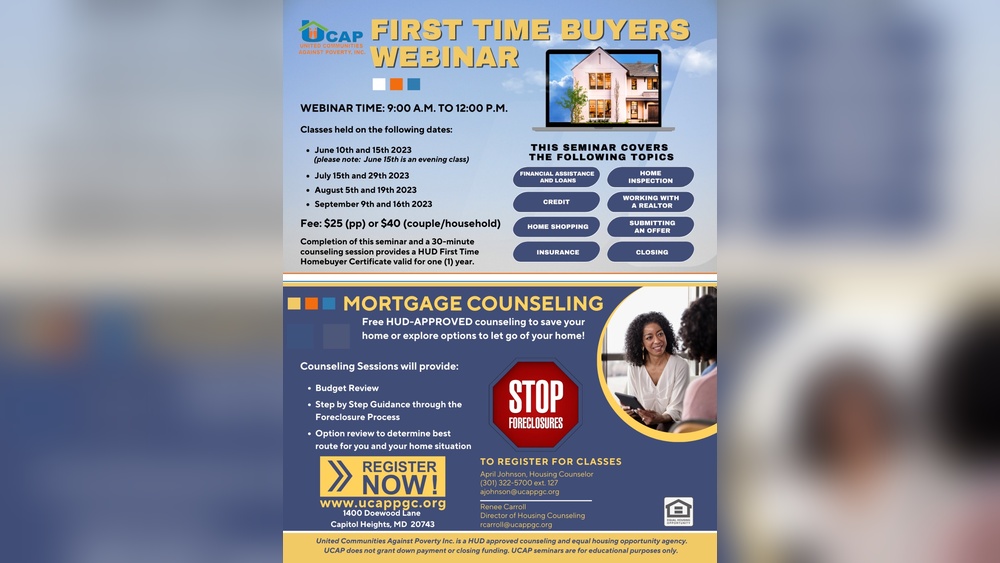
Buying your first home is a huge milestone, but finding the right lender can feel overwhelming. You want a lender who understands your unique situation and can guide you through the process without stress or confusion.
That’s why knowing where to start and what to look for in first time home buyer lenders is key to turning your dream into reality. You’ll discover the best options available, important tips to secure the right loan, and how to make your home buying journey smooth and successful.
Keep reading to get the confidence and knowledge you need to make your first home purchase a smart and exciting experience.
Choosing The Right Lender
Local lenders often know the community well. They may offer personalized service and local programs. National lenders have a wide reach and many loan options. They often provide faster online processing and more technology tools.
Credit unions and community banks usually offer competitive rates. They focus on serving local members and may provide flexible terms. Joining a credit union can give access to special first-time buyer programs.
Online lenders and marketplaces make comparing loans easy. They allow quick pre-approval and digital document uploads. These lenders often have lower fees but less personal contact.
| Lender Type | Key Features | Best For |
|---|---|---|
| Local Lenders | Personal service, local knowledge | Buyers wanting community support |
| National Lenders | Wide loan choices, fast processing | Buyers needing more options |
| Credit Unions & Community Banks | Lower rates, member focus | Buyers seeking flexible terms |
| Online Lenders & Marketplaces | Easy comparison, digital process | Tech-savvy buyers |
Preparing Your Finances
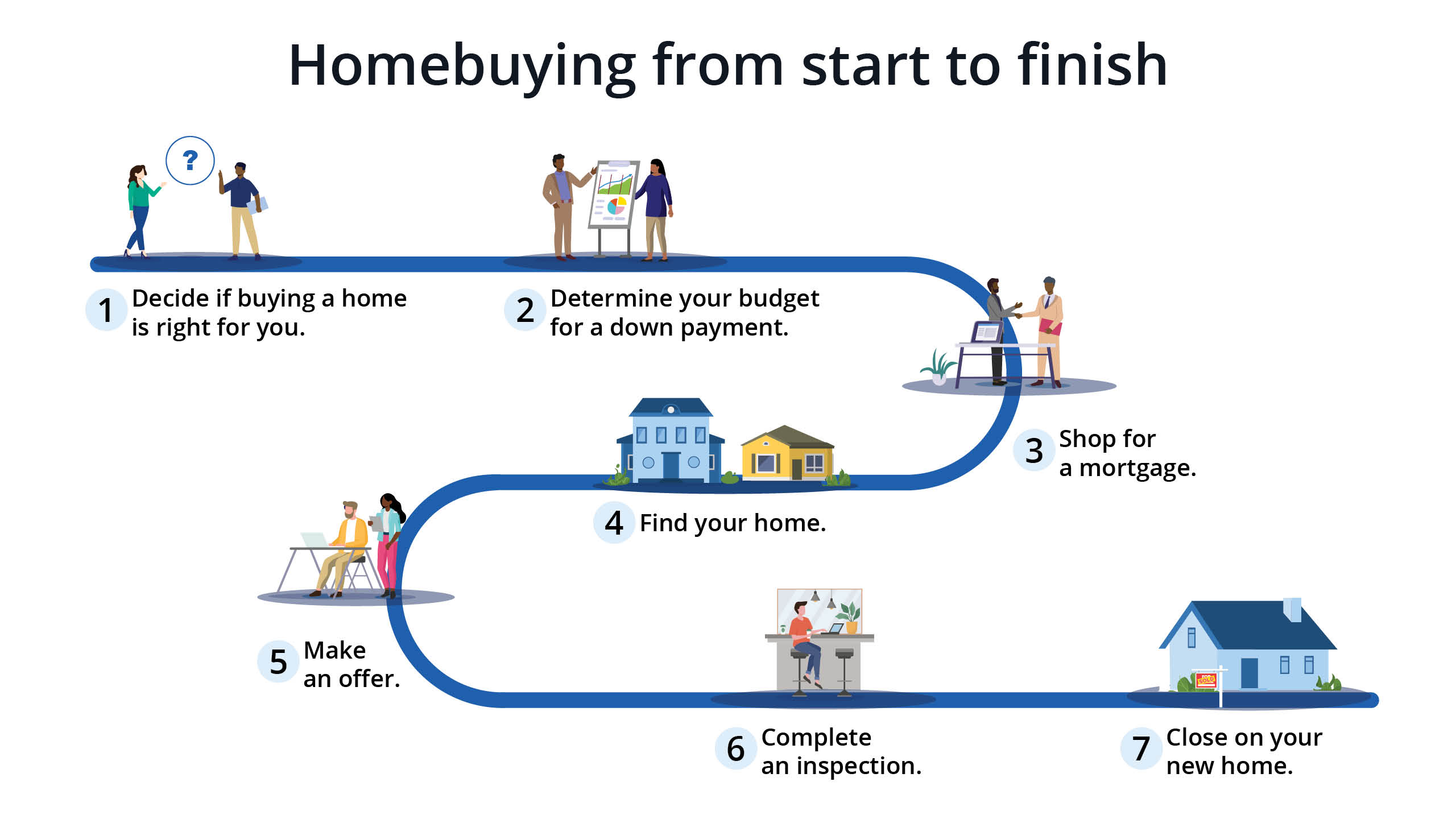
Improving your credit score is key before applying for a loan. Pay bills on time and keep credit card balances low. Avoid opening new credit accounts just before applying. Check your credit report for errors and fix them quickly.
Saving for a down payment takes time and discipline. Set aside a fixed amount from each paycheck. Create a separate savings account to avoid spending this money. Look for programs that offer down payment help.
Managing debt and expenses helps show lenders you can handle more payments. Pay off small debts first and reduce monthly expenses. Track spending to find areas to save more money. Staying within budget improves your loan chances.
Understanding Loan Options
FHA loans are popular for first-time buyers. They need a low down payment, usually 3.5%. These loans have flexible credit rules, making approval easier. Mortgage insurance is required, which adds to the monthly cost.
Conventional loans often need higher credit scores. They usually require a 5% to 20% down payment. These loans do not always need mortgage insurance if the down payment is 20% or more. Borrowers with good credit get better rates.
| Program Type | Description | Benefits |
|---|---|---|
| State and Local Assistance | Grants or loans to help with down payments and closing costs | Reduces upfront costs, easier home buying in your area |
| First-Time Buyer Programs | Education, counseling, and financial help | Improves buyer knowledge and access to funds |
Applying For Pre-approval
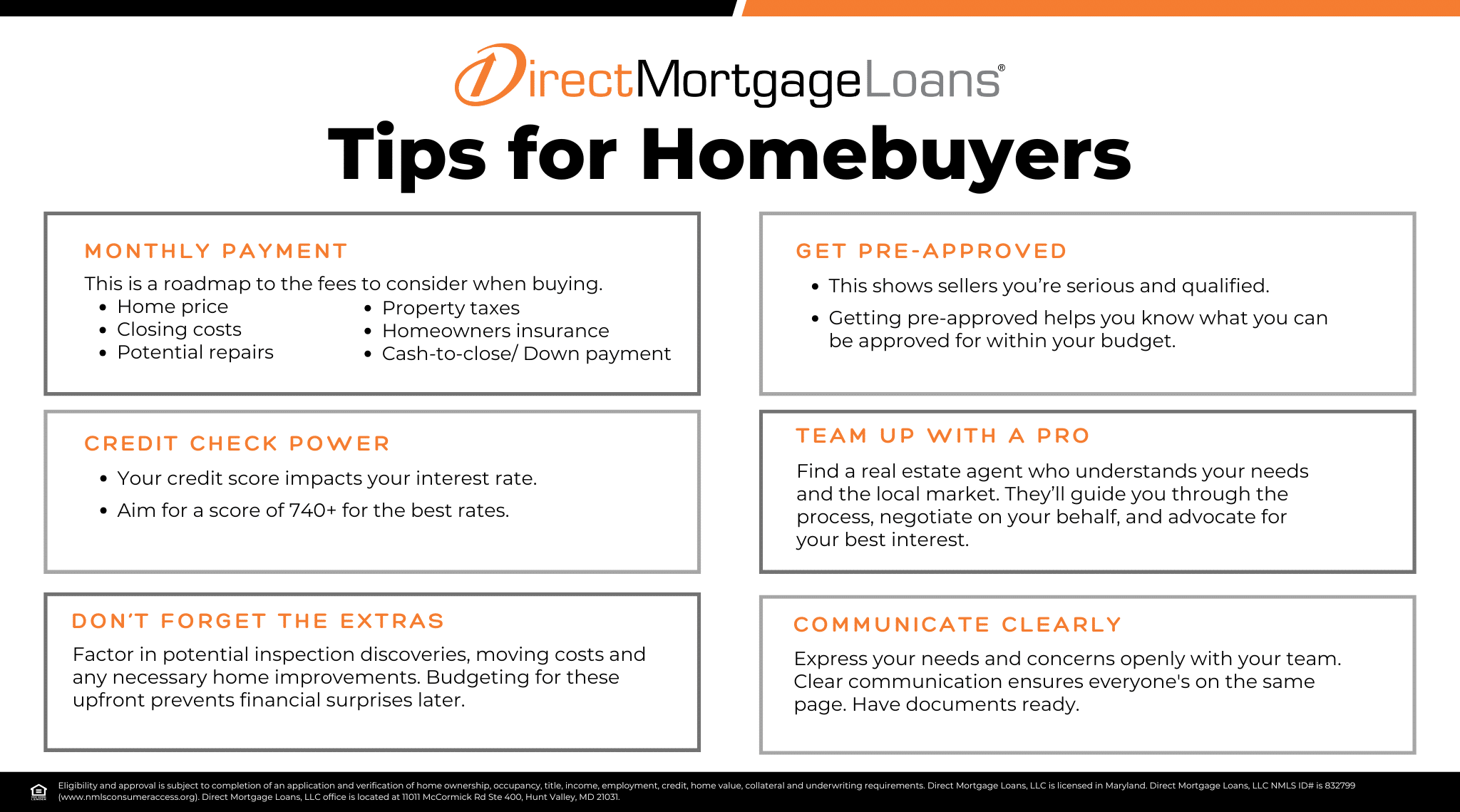
To apply for pre-approval, gather important documents. These include proof of income like pay stubs or tax returns, credit history, and identification. Lenders want to see your financial stability before approving a loan.
Pre-approval helps you know your budget and shows sellers you are serious. It can make the home buying process faster and easier.
To strengthen your application, pay down debts and avoid new credit cards. Keep your job steady and check your credit report for errors. Having a strong application increases your chances of approval.
Navigating Down Payment Assistance
Grants and forgivable loans help many first-time buyers in Austin. These funds usually do not need repayment if buyers meet program rules. They can cover part or all of the down payment and sometimes closing costs.
Low-interest loan programs offer another way to reduce upfront costs. These loans have lower rates than standard mortgages, making monthly payments easier. Some programs also allow delayed repayment or partial forgiveness.
Eligibility in Austin depends on income, credit score, and home price limits. Most programs require buyers to be first-time homeowners or not own a home for three years. Income limits vary but often target low to moderate earners.
| Program Type | Benefit | Typical Eligibility |
|---|---|---|
| Grants | No repayment if conditions met | Low to moderate income, first-time buyer |
| Forgivable Loans | Loan forgiven after time | Income limits, home purchase in Austin |
| Low-Interest Loans | Lower monthly payments | Credit check, income and purchase limits |
Tips For Easier Approval
Stable employment history helps lenders trust your ability to repay loans. Holding a job for at least two years shows reliability. Changing jobs often can raise concerns. A steady job means steady income, which lenders like.
Showing consistent income verification is key. Lenders need proof like pay stubs, tax returns, or bank statements. This confirms you earn enough to cover mortgage payments. Make sure documents are clear and up to date.
Avoiding new debt before approval is very important. Taking new loans or using credit cards a lot can hurt your credit score. Try not to buy cars or furniture on credit. Keeping debts low makes approval easier.
Working With Mortgage Professionals
Mortgage brokers work with many lenders to find loans. They can offer more options but may charge fees. Direct lenders provide loans directly to borrowers. They usually have faster approval times and fewer fees.
Ask your lender about interest rates, closing costs, and loan terms. Also, inquire about pre-approval and down payment requirements. Clear answers help you avoid surprises later.
Homebuyer education resources teach about the loan process, budgeting, and credit scores. Many programs offer free classes online or in person. These resources make buying a home less stressful and easier to understand.
Special Programs In Austin, Texas
Texas State Affordable Housing Corporation (TSAHC) offers special help for first-time home buyers. They provide down payment assistance and low-interest loans. This program helps many people buy homes in Austin.
The City of Austin also has down payment programs. These programs give grants to reduce the amount needed upfront. They often require attending homebuyer education classes. This makes buying a home easier and safer.
Local credit unions, like Austin Telco Federal Credit Union, have special loan offers for first-time buyers. These loans often come with lower rates and flexible terms. Credit unions focus on helping the community and can be a good choice for new buyers.
Frequently Asked Questions
What Lenders Offer The Best Rates For First-time Buyers?
Top lenders like Rocket Mortgage, Chase, and Bank of America offer competitive rates. They specialize in first-time homebuyer loans with low down payments and flexible terms.
How Can First-time Buyers Qualify For Special Loan Programs?
Qualification often requires a steady income, good credit score, and completing homebuyer education. Some programs also have income limits or geographic restrictions.
Are There Down Payment Assistance Programs In Austin, Texas?
Yes, Austin offers several down payment assistance programs through local nonprofits and government agencies. These help reduce upfront costs for first-time buyers.
What Documents Do First-time Homebuyers Need To Apply?
Buyers usually need proof of income, credit history, ID, and bank statements. Lenders may also require tax returns and employment verification.
Conclusion
Choosing the right lender makes a big difference for first-time buyers. Many options exist that offer helpful programs and support. Know your budget and explore local assistance in Austin, Texas. Taking small steps leads to confident home buying decisions. Stay patient and ask questions to find the best fit.
Your dream home is within reach with the right help.
Read More
- Fair Credit Personal Lenders: Unlock Fast, Trusted Loans Today
- Remortgage Lender Comparison: Top Tips to Save Big Today
- Top Rated Loan Providers: Trusted Choices for Smart Borrowers
- Specialist Mortgage Lender Quotes: Unlock Best Deals Fast
- Flexible Repayment Loan Offers: Unlock Stress-Free Borrowing Today
- Small Business Lender Quotes: Unlock Best Rates Today
- Equipment Financing Lender Rates: Unlock the Best Deals Today
- Private Mortgage Lender Rates: Unlock Best Deals Today
- Direct Lender Loan Quotes: Get Fast, Low-Rate Offers Today
- Low Deposit Mortgage Lenders: Top Picks for Easy Home Buying