

Looking to remortgage but not sure where to start? Choosing the right lender can save you thousands of dollars and reduce your monthly payments.
But with so many options out there, how do you know which one offers the best deal for your situation? This is where a remortgage lender comparison becomes essential. By comparing rates, fees, and terms side-by-side, you can make a smarter, more confident decision.
Keep reading to discover how to find the best remortgage lender for you and unlock the savings waiting in your mortgage.
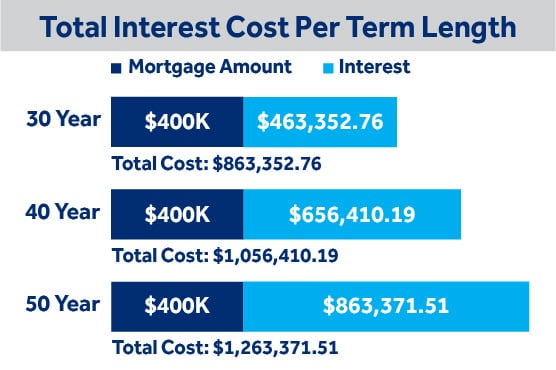
Why Remortgage Now
Remortgaging can save money by lowering monthly payments or interest rates. It helps to switch to better deals and avoid high fees. Many people remortgage to get extra cash for home improvements or debt consolidation.
Signs to remortgage include when your current deal ends, rates drop, or your financial situation changes. Also, if your home’s value has risen, you may get a better loan. Watch out for high-interest costs or if you want to change the loan term.
Choosing the right lender is key. Compare interest rates, fees, and terms before deciding. This can reduce costs and improve loan conditions. Shop around to find the best offer that fits your needs.
How To Compare Lenders
Interest rates and fees both affect the total cost of remortgaging. Low rates can save money each month, but high fees may cancel out those savings. Compare the annual percentage rate (APR) to see the true cost.
Loan terms vary between lenders. Some offer short fixed-rate periods, while others have longer variable rates. Check for early repayment charges or penalties that might apply if you pay off the loan early.
| Factor | What to Check |
|---|---|
| Interest Rates | Compare fixed and variable rates offered by each lender. |
| Fees | Look for arrangement, valuation, and early repayment fees. |
| Loan Terms | Check length of the loan and conditions for changes. |
| Repayment Options | Find out if overpayments or underpayments are allowed. |
Top Tools For Rate Comparison
Online comparison sites help find the best remortgage rates quickly. These tools show rates from many lenders side by side. Users enter simple details like loan amount and term. The calculator then displays personalized rate options in seconds. This saves time and avoids calling each lender.
Popular sites include Bankrate, NerdWallet, and Credit Karma. Each offers clear charts and easy navigation. Some allow filtering by fees, loan types, or repayment options. This helps pick the best match for your needs.
Using these calculators gives a quick snapshot of the market. It also helps spot hidden costs or better deals. Before choosing, check if the rates shown include all fees. Confirm with lenders directly for the most accurate info.
Understanding Different Mortgage Types
Fixed rates stay the same for a set time. This means your monthly payments won’t change. It helps with budgeting and keeps costs stable. But, fixed rates can be higher than variable rates at first.
Variable rates can go up or down depending on the market. Monthly payments may change each month. This option can save money if rates drop but costs can rise if rates increase. It is less predictable.
| Loan Type | Key Feature | Best For |
|---|---|---|
| Fixed Rate | Stable monthly payments | Those who want budget certainty |
| Variable Rate | Payments change with market | People who can handle some risk |
| Specialized Loans | Designed for specific needs | First-time buyers, veterans, or low income |
Specialized loan options include help for people with unique situations. These loans might offer lower deposits or easier approval. Examples are FHA loans, VA loans, and USDA loans. Choosing the right type can save money and stress.
Tips To Negotiate Better Deals
Start by researching various lenders to understand their offers. Contact multiple lenders and ask about their current rates and fees. This helps you gather several quotes.
Use these quotes to leverage better deals. Tell lenders you have competing offers. This may encourage them to lower their rates or fees to win your business.
Always be clear about your financial situation. Honesty builds trust and may improve your chances for a better deal. Remember to compare the total cost, not just the interest rate.
Common Pitfalls To Avoid
Hidden fees often raise the total cost of remortgaging. These include arrangement fees, valuation fees, and early repayment charges. Always ask lenders for a full list of fees before choosing.
Overborrowing can lead to financial trouble. Borrowing more than needed increases monthly payments and interest costs. It may also make it harder to repay the loan on time.
Keep track of your budget and borrow only what you can afford. Check the fine print carefully to avoid surprises later.
How Credit Score Affects Remortgaging
Checking your credit report is a key step before remortgaging. A clear report shows lenders you manage money well. Errors in your report can lower your score. Fixing these mistakes can boost your credit.
Improving your credit means paying bills on time. Keep credit card balances low. Avoid opening many new accounts quickly. These actions help raise your credit score.
A better credit score can lead to lower interest rates and more loan options. Lenders trust borrowers with good credit more. Take time to check and improve your credit before applying.

When To Lock In Your Rate
Timing is key to lock in the best remortgage rate. Interest rates can change daily due to market shifts. Watching market trends helps decide when to act. Rates often rise when inflation grows or the economy strengthens. They may drop if the economy slows or central banks lower rates.
Locking a rate too early might miss better deals later. Waiting too long risks rates rising. Many experts suggest watching rates for a few weeks before deciding. Pay attention to news about the economy, inflation, and central bank announcements.
| Market Signal | Effect on Rates | Action |
|---|---|---|
| Inflation rises | Rates tend to increase | Consider locking soon |
| Economic slowdown | Rates may fall | Watch before locking |
| Central bank rate cut | Mortgage rates drop | Wait if possible |
| Central bank rate hike | Rates increase | Lock quickly |
Preparing Your Application
Gathering the right documents is key to a smooth remortgage application. Prepare your ID proof, such as a driver’s license or passport. You’ll also need proof of income, like recent pay slips or tax returns. Lenders require bank statements to check your spending and savings habits.
Don’t forget your current mortgage details and any outstanding loan information. Having these ready saves time and shows you are organized. Double-check all documents for accuracy before submitting.
Common mistakes cause delays. Avoid these:
- Submitting incomplete or outdated documents
- Not disclosing all debts or financial commitments
- Ignoring lender requests for extra information
- Missing deadlines for document submission
Staying organized and honest helps your application move faster.
Benefits Of Professional Advice
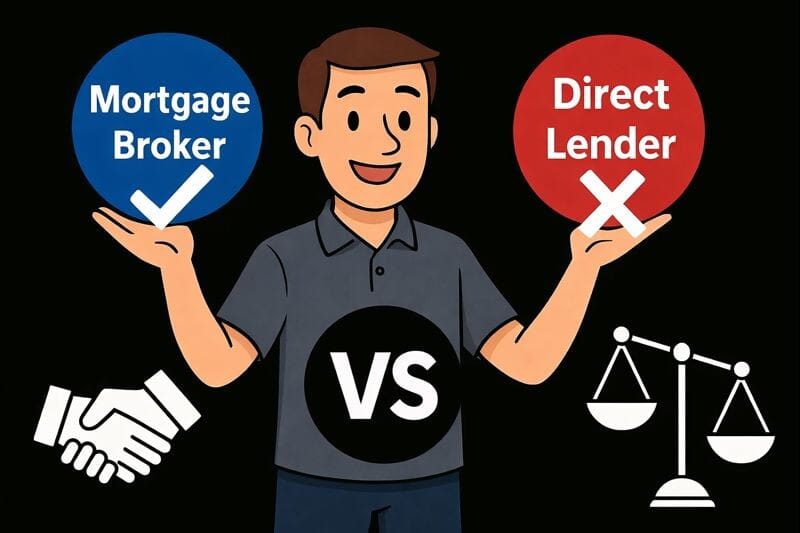
Mortgage brokers help by comparing many lenders quickly. They can find deals you might miss. Brokers often have access to special rates not shown to the public. They guide you through the paperwork and explain complex terms simply.
Direct lenders offer loans straight from their company. This means fewer middlemen and sometimes faster approval. You deal directly with the lender, which can be simpler if you know what you want.
| Mortgage Brokers | Direct Lenders | |
|---|---|---|
| Access to Deals | Wide range from many lenders | Limited to one lender’s products |
| Process | Help with paperwork and advice | Direct application, faster sometimes |
| Cost | May charge a fee or be paid by lender | No broker fee, but rates may vary |
Expert help is best when you feel unsure or have a complex financial situation. Brokers help if you want many options quickly. Direct lenders work well for simple, clear mortgage needs. Choose support based on your comfort and loan type.
Frequently Asked Questions
Who Is The Best Mortgage Lender To Go Through?
The best mortgage lender depends on your credit, rates, fees, and customer service. Compare multiple lenders to find your ideal match.
What Is The 3 3 3 Rule For Mortgages?
The 3-3-3 rule helps first-time homebuyers estimate affordability. It suggests spending no more than 3 times your annual income on a home, keeping the down payment at least 3%, and limiting monthly housing costs to 33% of your income.
What Is The 2% Rule For Refinancing?
The 2% rule for refinancing means your new loan must lower monthly payments by at least 2% to justify refinancing costs.
What Are The Top 5 Mortgage Lenders In The Us?
The top 5 mortgage lenders in the US are Rocket Mortgage, Wells Fargo, Bank of America, Quicken Loans, and Chase. These lenders offer competitive rates and excellent customer service. Choose based on your financial needs and loan options.
Conclusion
Choosing the right remortgage lender can save you money and stress. Compare rates carefully before deciding. Look at fees, terms, and customer service. Find a deal that fits your budget and plans. Taking time to research helps avoid surprises later.
Your home and finances deserve smart choices. Keep your goals clear and stay informed. This way, you can make a confident decision.
Read More
- First Time Home Buyer Lenders: Top Tips for Easy Approval
- Fair Credit Personal Lenders: Unlock Fast, Trusted Loans Today
- Top Rated Loan Providers: Trusted Choices for Smart Borrowers
- Specialist Mortgage Lender Quotes: Unlock Best Deals Fast
- Flexible Repayment Loan Offers: Unlock Stress-Free Borrowing Today
- Small Business Lender Quotes: Unlock Best Rates Today
- Equipment Financing Lender Rates: Unlock the Best Deals Today
- Private Mortgage Lender Rates: Unlock Best Deals Today
- Direct Lender Loan Quotes: Get Fast, Low-Rate Offers Today
- Low Deposit Mortgage Lenders: Top Picks for Easy Home Buying